You got promoted because you were good at the work. Now your job is different: it's the people. Most new managers are handed a team and almost no instruction, then expected to figure out trust, motivation, and conflict on the fly. This guide is the missing instruction sheet — the human side of leadership, broken into things you can actually do.
The short version: people follow managers they trust, and trust is built through clarity, consistency, and follow-through. You don't need charisma or a grand vision. You need to be predictable, fair, and genuinely useful to the people doing the work.
What "leading people" actually means
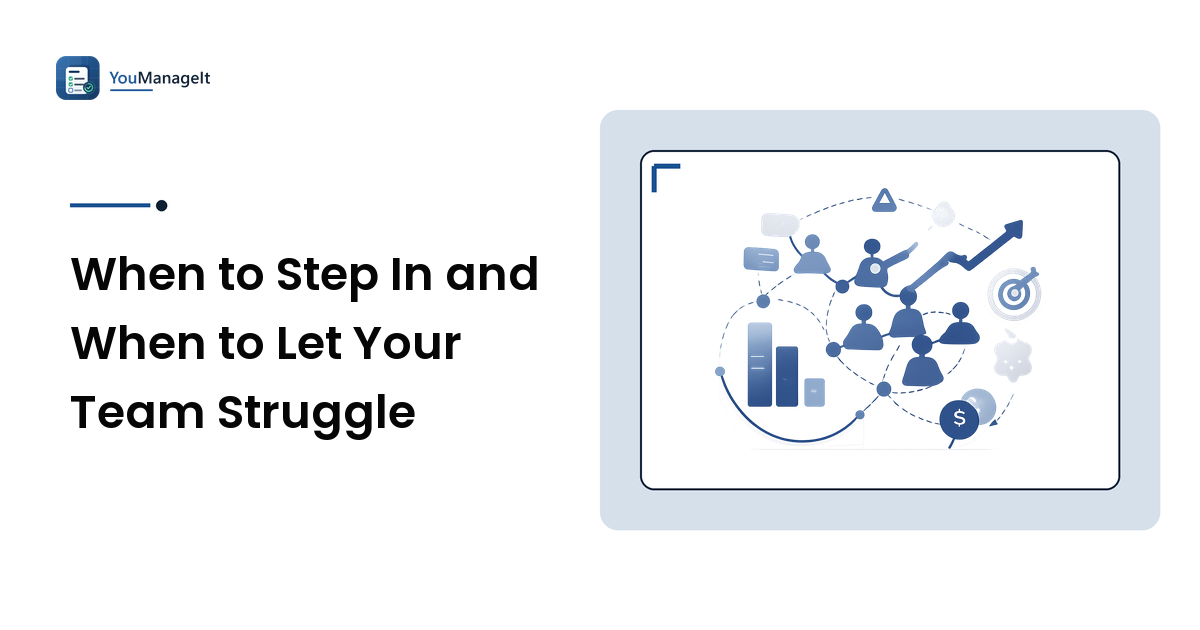
Leading isn't directing traffic or being the smartest person in the room. It's creating the conditions where a group of people can do good work together. Day to day, that breaks into a few jobs: setting clear expectations, removing obstacles, giving honest feedback, and making decisions when the team can't. Everything else is detail.
A useful test: if your team only does well when you're watching, you're supervising, not leading. The goal is a team that knows what good looks like and pursues it without you in the room.
Start by building trust
Trust is the foundation, and new managers earn it faster through small, repeated actions than through one big gesture.
- Do what you said you'd do. If you promise to follow up, follow up. Reliability is the cheapest trust-builder available, and the most overlooked.
- Be consistent. People can work with a demanding manager and a relaxed one. What they can't work with is one who changes the rules depending on their mood.
- Tell the truth kindly. When something's wrong, say so plainly and early. Withholding bad news to "protect" people erodes trust faster than the bad news ever would.
- Take the blame, share the credit. When the team wins, name the people who did it. When it goes wrong publicly, you carry it.
Trust compounds. Every kept promise makes the next hard conversation easier.
Set expectations people can actually meet
Most performance problems are really expectation problems. People aren't refusing to do good work; they don't know what good work looks like to you.
Make expectations concrete: what does "done" mean, by when, and how good is good enough? "Write up the launch plan" is vague. "A one-page launch plan covering owners, dates, and risks, by Thursday" is something a person can deliver and be judged against fairly.
The trade-off worth naming: heavy upfront clarity feels slower than just diving in, but it prevents the far more expensive cost of rework and the resentment that comes with redoing finished work.
Motivate without gimmicks
You can't install motivation in someone, but you can stop draining it. Most people arrive wanting to do good work; bad management is what wears it down.
- Give people ownership, not just tasks. Owning an outcome ("you run our onboarding emails") motivates far more than being handed a list of steps.
- Connect work to why it matters. People work harder on things they understand the point of. Spend a minute on the "why," not just the "what."
- Notice good work specifically. "Great job" is forgettable. "The way you defused that client call kept the project alive" is fuel.
- Remove obstacles. Often the most motivating thing a manager can do is clear the broken process, the missing access, or the unclear priority that's been blocking someone for weeks.
Money and perks matter, but they sit largely outside your control. Autonomy, clarity, and recognition sit inside it — use those first.
Handle conflict early and directly
Conflict doesn't resolve itself; it ferments. New managers often avoid hard conversations hoping the issue fades, and it almost never does.
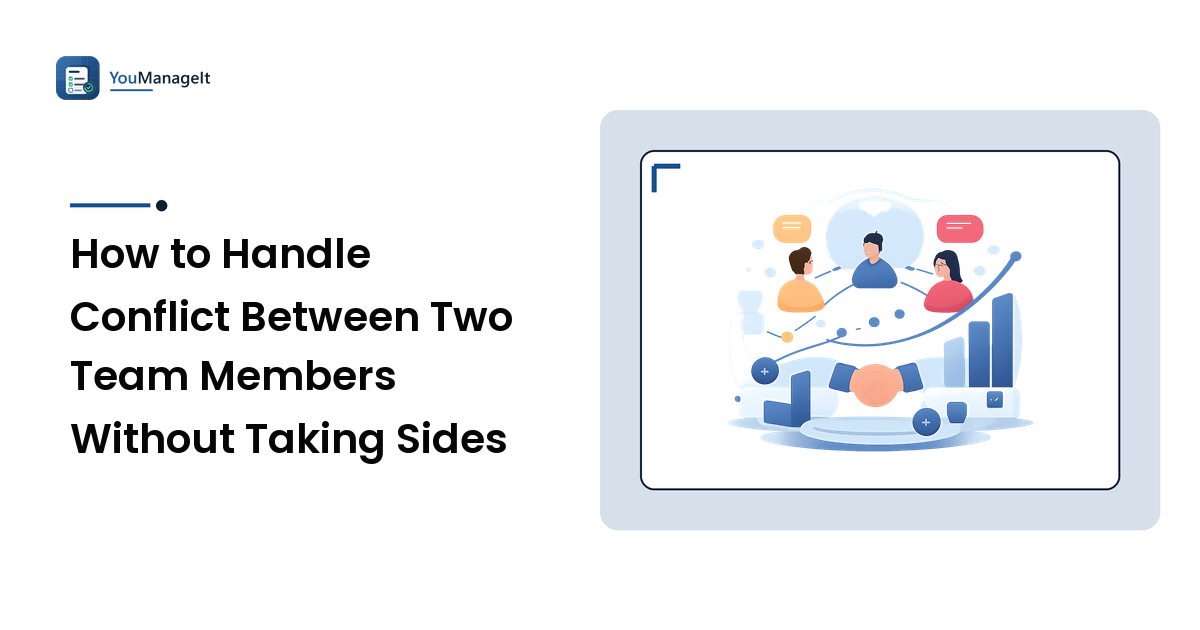
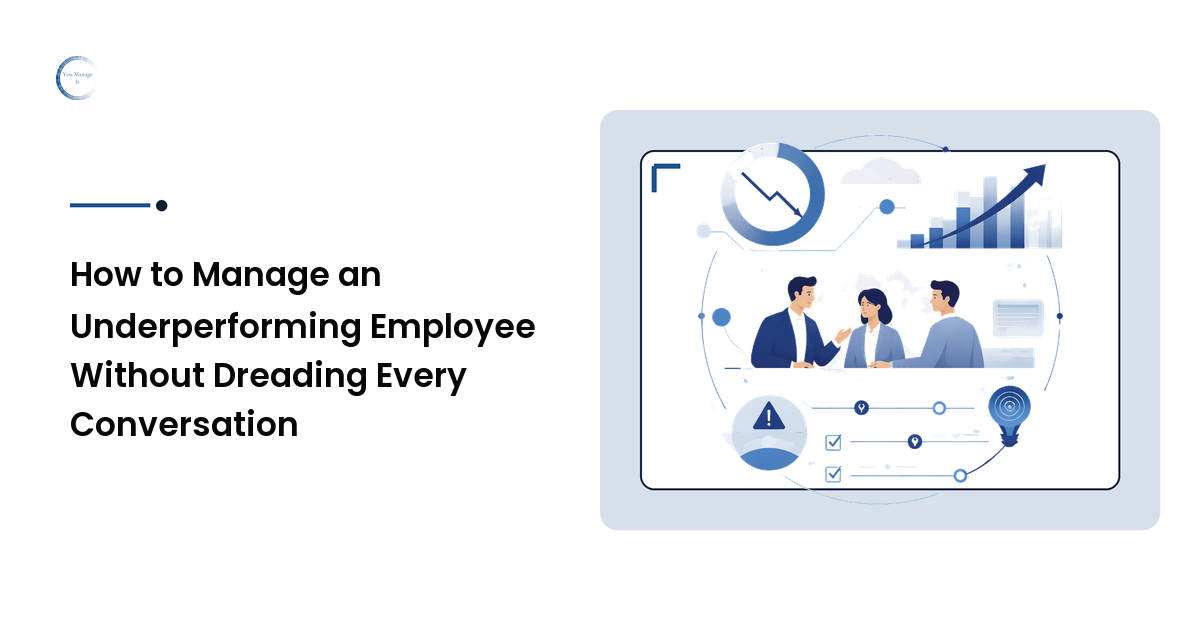
When there's a problem — missed work, a clash between teammates, a behavior that's off — address it early, in private, and specifically. Describe what you observed, the impact, and what you need going forward. Then listen, because you may be missing context.
A simple script: "I noticed X. The effect was Y. I need Z going forward. What's getting in the way?" It names the issue without attacking the person, and the final question opens the door to the real cause.
Leading people who used to be your peers
This is the hardest part of a first promotion. Yesterday you complained about management together; today you are management.
Acknowledge the change openly rather than pretending nothing happened. You can keep the relationships, but the dynamic shifts: you now make calls that affect them, and you can't share everything you once did. Be consistent and fair across the whole team — the fastest way to lose a former peer group is to be seen playing favorites with old friends.
A simple operating system for new managers
- Trust first — keep promises, stay consistent, tell the truth kindly.
- Set clear expectations — define "done," the deadline, and the bar.
- Motivate by removing friction — ownership, context, specific recognition.
- Address conflict early — private, specific, future-focused.
- Run regular one-on-ones — the standing time where most of this happens.
FAQ
What's the most important skill for a new manager?
Consistency. Teams can adapt to almost any management style as long as it's predictable and fair. Erratic leadership — changing rules, playing favorites, surprise reactions — does more damage than being demanding.
How do I lead people who are more experienced than me?
Lead the work, not the expertise. You don't have to be the best at their job; your job is clarity, priorities, and removing obstacles. Ask for their input openly — it builds respect and makes better decisions.
How do I give feedback without damaging the relationship?
Be specific, be timely, and focus on the behavior and its impact rather than the person. Delivered early and privately, honest feedback usually strengthens a relationship because it signals you take the person seriously.
Should I still be friends with people I now manage?
You can stay friendly, but you can't be only their friend. Be consistent and fair across the whole team, and be honest that some things you used to share you no longer can. Favoritism, real or perceived, is what breaks teams.
How often should I meet one-on-one with my team?
A standing weekly or biweekly one-on-one with each direct report is the backbone of leading people. It's where trust, expectations, feedback, and small conflicts get handled before they grow.
Next step
You don't have to fix your management style all at once. This week, book a recurring one-on-one with each person on your team and ask a single question: what would make your job easier? Then act on one answer. Trust starts there.